Archive Details
A sharp, observational reflection on Asaba’s informal social economy, where survival, signaling, and aspiration intersect. Through satire and vivid cultural imagery, the piece explores how alternative mobility systems — beauty, performance, relationships, and shadow markets — emerge within structurally constrained environments. Beneath the humor lies a systems-level examination of dignity, adaptation, and the paradoxical dance between squalor and squander.
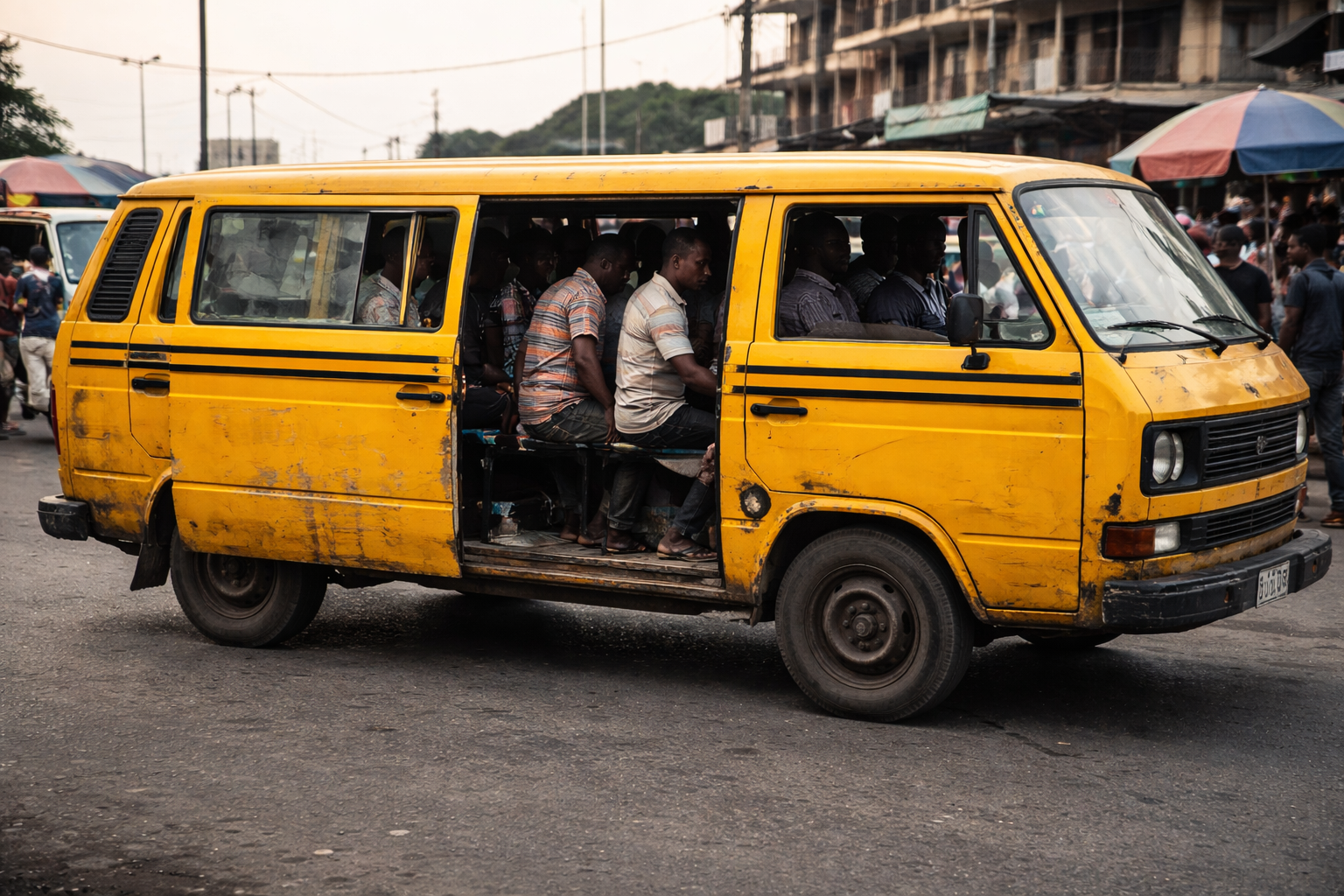
The Land of Empires
In Asaba, everyone has an empire.
Michael Manuel’s Boutique Empire.
Hairess. ( An uppity hair salon next to the near defunct Okpanam police station).
CNO Beauty Empire. Now, this beauty salon was squat next to the popular Midwifery Market, squeezed in between a very un-empiric building materials shop and stationary bookshop.
Harmony’s Empire. (This boutique in particular was unisex. How unique for Harmony).
You get the picture?
In Asaba, the girls are white skinned and purchased skincare like the Oshaprapa 7-days whitening soap from Penny’s Glow Organic glow skincare. And if you weren’t, you best have an enormous behind to help your prospects.
What?
Would you rather get a BBL? Is this Lagos?
In Asaba, sixteen year boys had “clients” and could lodge their fourteen year old bud breasted girlfriends in 4-star hotels. They usually did this with their seven figure sports cars and were sure to smear a handful of freshly minted naira notes in the hands of uniformed patrol officers. Afterall, “Na my guy na!”
In Asaba, the most you could aim for was a politician, his son, brother, uncle, father or nephew.
He would pick you to be his wife amongst his harem of four or five ladies if you met his “standards” Then you got to brag to your girlfriends about this trip or that trip or that super double drawn human hair wig and gold necklace he got you after you caught him with side chick number what now?
“At least,” your best friend would say, “he respects you enough to cheat outside and not bring it inside the house.”
Key Highlights
- Examines informal pathways to upward mobility
- Explores beauty and aesthetics as alternative capital
- Analyzes shadow economies as liquidity systems
- Portrays wealth signaling within constrained environments
- Uses satire to reveal structural socio-economic patterns
- Highlights the coexistence of squalor and excess
- Applies systems-thinking to everyday cultural observations
Asaba has two daughters: Squalor and Squander.
I met Squander before Squalor ever said hello.
Squander was in the midst of the nineteen year old yellow pawpaw who could pass for a model and his Sodom of a barber shop.
One day, Squalor had me in there. I had gone to charge my phone, my workstation–my life.
But with a full battery came overflowing ears. It was rot at first glance. And neglect at the double take.
In Asaba, the sisters Squalor and Squander are two sides of a coin and which side you flip decides which face you see.